


What is a synthetic gemstone — and why wear one?
Definition, Process, and Ethics
When you see the words synthetic stone, your first thought might be of something fake, artificial, or even cheap. This misconception is so widespread that it deserves to be debunked, one myth at a time.
A synthetic stone is neither an optical illusion, nor plastic, nor an imitation. It is a real stone—chemically identical to one extracted from the ground—simply born in a laboratory rather than in the depths of the earth. And this difference changes everything, particularly from an ethical and environmental perspective.

1. The exact definition of a synthetic stone
A synthetic stone is a precious or fine gemstone whose chemical composition, crystal structure, and physical properties are identical to those of its natural counterpart. Only its origin differs: it has been created by humans, in a controlled environment, by replicating the geological conditions that form gems in nature.
A synthetic ruby is a real ruby. A synthetic sapphire is a real sapphire.
What gemologists refer to as natural and synthetic does not designate quality, but only the place of formation.
Not to be confused with:
- imitations (glass, plastic, cubic zirconia), which resemble a stone without sharing its composition
- treated stones, which are natural stones that have undergone thermal or chemical treatment to improve their appearance


Jones Earrings
Simulated White Sapphires
2. How are stones made in the laboratory?
Scientists replicate in the lab the two main conditions that create natural gemstones: extreme heat and colossal pressure—or conversely, slow crystallization from a chemical solution.
The result is a stone whose internal structure is as real, as dense, and as hard as that of a stone extracted from a mine.
The two most common methods are:
The hydrothermal method - mainly used for emeralds and quartz. A crystal seed is placed in an aqueous solution rich in minerals, under high pressure and high temperature. The stone grows slowly, layer by layer, exactly as it would in a geological vein. This process can take several weeks to several months.
The Czochralski method (or melt pulling) - used for corundums (rubies, sapphires). A crystal is slowly pulled from a bath of molten material, precisely controlling the temperature and crystallization rate. This produces a crystal boule which is then cut into gemstones.


Jones Earrings
Simulated Ruby
3. Environmental impact: why it's a real issue
Gemstone mining is one of the most destructive industries there is.
To extract a few pounds of rubies or emeralds, tens of tons of rock must be moved, massive amounts of water consumed, and operations often take place in fragile ecological zones – tropical forests, wetlands, mountainsides.
The comparison clearly favors the laboratory when considering the overall impact across the entire life cycle.
Some figures to provide perspective:
- The natural diamond industry moves approximately 250 tons of earth per carat extracted
- Corundum mining operations in Myanmar, Thailand, and Mozambique are frequently associated with labor rights violations, limited access to potable water for local populations, and significant deforestation
- The transportation of rough stones over thousands of kilometers—mine → cutting center → jeweler—generates a carbon footprint that is difficult to trace
Lab-grown stones are not perfect in this regard: their production in a laboratory consumes energy. However, this energy is quantifiable, localizable, and increasingly sourced from renewables.
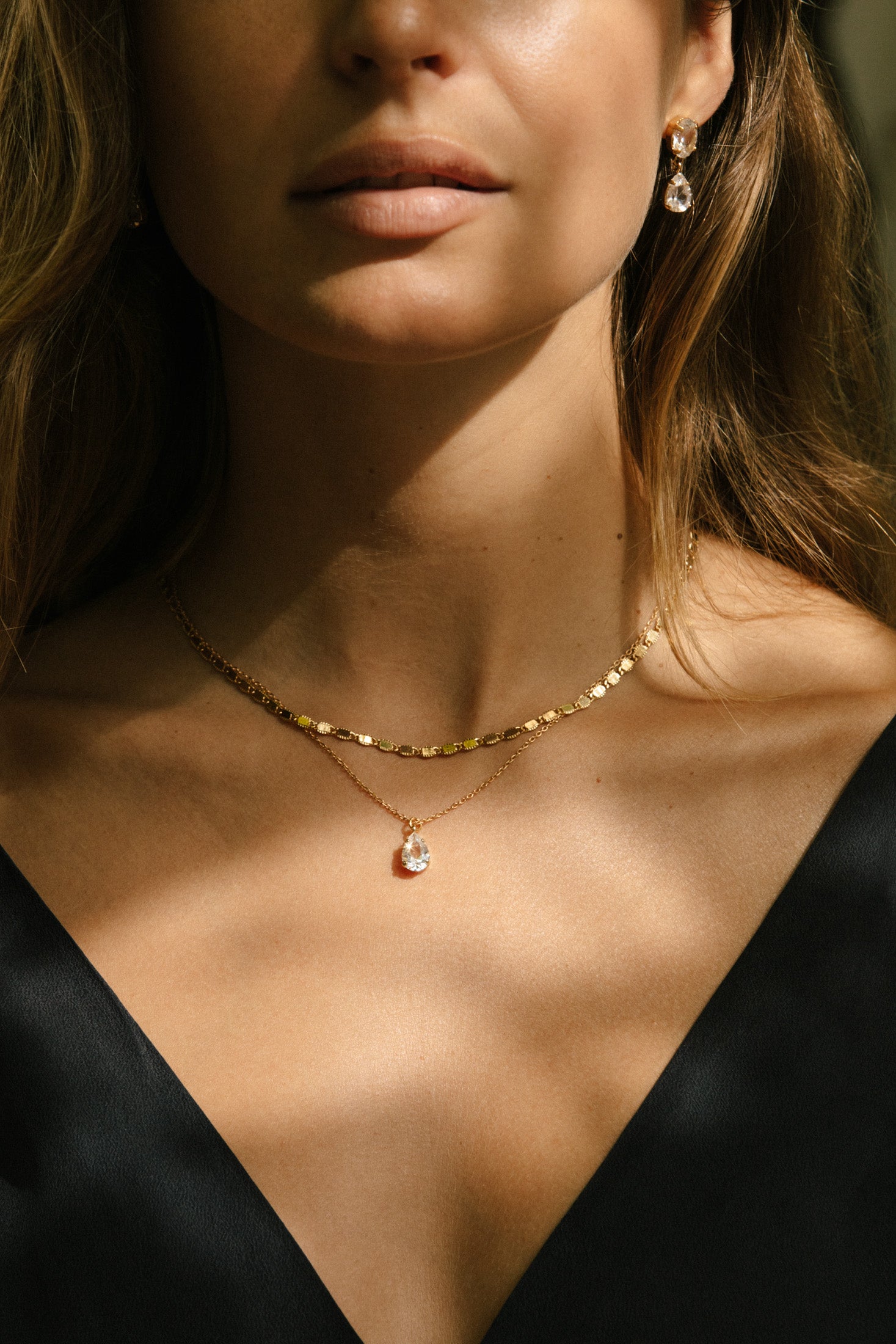

What that means, specifically, for you
Wearing a lab-grown stone means choosing a gem whose origin you know - which is rarely the case with earth-mined stones, whose traceability remains opaque despite certifications.
It also means accessing often superior visual quality. Because growth conditions are controlled, lab-grown stones have fewer inclusions, more uniform color, and a clarity that nature rarely produces with such regularity.
And finally, it's a consistent choice: refusing to let the beauty of a piece of jewelry come at an invisible human or ecological cost, somewhere in the world.
Synthetic Stones


The position of Almma Paris
At Almma Paris, we chose lab-grown stones from the start—not because it's a trend, but because it aligns with our vision of quality jewelry: beautiful, durable, and honest.
Every stone we use is traceable. Every setting is crafted by responsible artisans. And every piece of jewelry is designed to last—because ethical jewelry is also jewelry that you don't replace every year.
We believe you deserve to know what you're wearing. Not a romanticized version, not a half-truth—just the reality of an object made with care, for a positive impact.
Fancy exploring?
Discover our selection of jewelry made with synthetic gemstones, or be inspired by our collections of rings and earrings.

